Categories
Tags
Posted by News Editor
Filed in Health 294 views
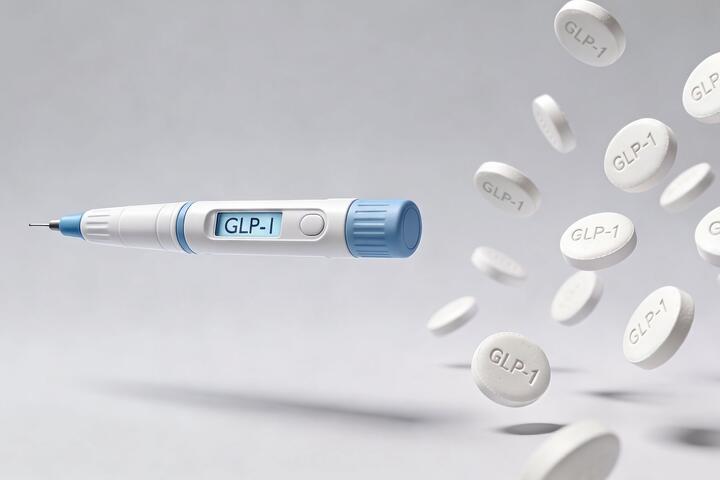
Concerns Over Illicit GLP-1 Compounding
The growing popularity of GLP-1 medications for diabetes and weight management has created strong demand for lower-cost alternatives. It has also produced a marketplace where legitimate compounded medications, misleadingly promoted products and completely illegal drugs can be difficult for consumers to distinguish.
Compounding itself is a lawful and important medical practice. A licensed pharmacist may prepare a customized medication when an approved product cannot meet a patient’s specific medical needs, such as an allergy, unavailable dosage or drug shortage. Compounded medications, however, are not FDA-approved and do not undergo the agency’s premarket review for safety, effectiveness and quality.
Oversight depends on the type of facility. State pharmacy boards generally regulate traditional compounding pharmacies operating under Section 503A of federal law. FDA-registered 503B outsourcing facilities are subject to federal inspections and additional manufacturing requirements. The industry is regulated, although its requirements differ from those imposed on conventional drug manufacturers.
Many patients encounter compounded GLP-1 products through social media advertising, telehealth platforms, wellness clinics or medical spas. In a legitimate transaction, a licensed clinician evaluates the patient, issues an individualized prescription and sends it to a state-licensed pharmacy. The pharmacy then prepares the medication and may ship it directly to the patient under appropriate temperature controls.
Illegal sellers can imitate that process using professional-looking websites, brief questionnaires and questionable medical evaluations. Some products are shipped from pharmacies whose identities are unclear, while others carry the name of a pharmacy that does not exist or did not prepare the medication.
The FDA has warned telehealth companies against concealing the actual source of their products or suggesting that compounded drugs are approved, clinically proven or identical to approved medications. In March 2026, the agency issued warning letters to 30 telehealth companies over allegedly false or misleading GLP-1 marketing.
More dangerous products are sold through unlicensed websites, social media accounts, online marketplaces and private messaging groups. These may include prepared injectable vials or powdered “research peptides” that customers are expected to mix themselves. In 2026, U.S. Customs and Border Protection reported intercepting a shipment from China containing more than 5,000 unapproved peptide vials labeled as semaglutide, tirzepatide, retatrutide and other substances.
Safety concerns include incorrect dosing, contamination, insufficient refrigeration, counterfeit labeling and the use of unapproved ingredients. Some compounded products have reportedly contained semaglutide sodium or semaglutide acetate—salt forms that differ from the ingredient used in FDA-approved semaglutide medications.
As of May 31, 2026, the FDA had received 990 adverse-event reports associated with compounded semaglutide and more than 730 involving compounded tirzepatide. Some reports involved dosing errors requiring medical care or hospitalization. A report does not necessarily prove the medication caused the event, and some symptoms were consistent with known GLP-1 side effects.
Consumers should use GLP-1 medications only under the care of a licensed medical professional, identify the pharmacy that prepared the drug and verify its license with the appropriate state pharmacy board. Deep discounts, missing prescriptions, unverifiable pharmacy names, damaged packaging or refrigerated medication arriving warm should be treated as warning signs.
The public-safety threat is not responsible compounding. It is the sale of unverified products outside established medical, pharmacy and regulatory safeguards.